Cold Feet No More: These Ultra-Cosy Heated Socks Are Worth Trying
Author:Andy
|
Released:November 22, 2025
When winter really kicks in, cold feet stop being a small annoyance and start becoming a daily problem. Even indoors, floors stay icy. Outdoors, the cold creeps in fast—especially if you’re standing still, skiing, hiking, or spending long hours outside.
Heated socks aren’t a novelty anymore. For many winter sports lovers and cold-weather commuters, they’ve become a practical way to stay comfortable when regular wool socks simply aren’t enough.
So what actually works, and what should you look out for?
Why Cold Feet Ruin Winter Faster Than You Think
Cold feet aren’t just uncomfortable—they limit how long you can stay active. Many skiers, hikers, and dog owners know the feeling: your core stays warm, but your toes go numb first. Once that happens, the day usually ends early.
This isn’t always about extreme temperatures. Poor circulation, damp footwear, or standing still for long periods can make feet cold even at mild sub-zero levels. That’s why traditional “thicker socks” often fail—they trap heat poorly once moisture builds up.
Why Heated Socks Are Different
Heated socks add active warmth, usually through thin heating wires placed around the toes or forefoot. Instead of relying only on insulation, they generate heat directly where circulation is weakest.
Most modern heated socks now offer:
-
Adjustable heat levels (usually 3 settings)
-
Rechargeable batteries (often USB-based)
-
Washable sock materials once batteries are removed
That said, not all heated socks feel the same in real use. Battery placement, heat distribution, and fabric thickness make a noticeable difference—especially during long outdoor sessions.
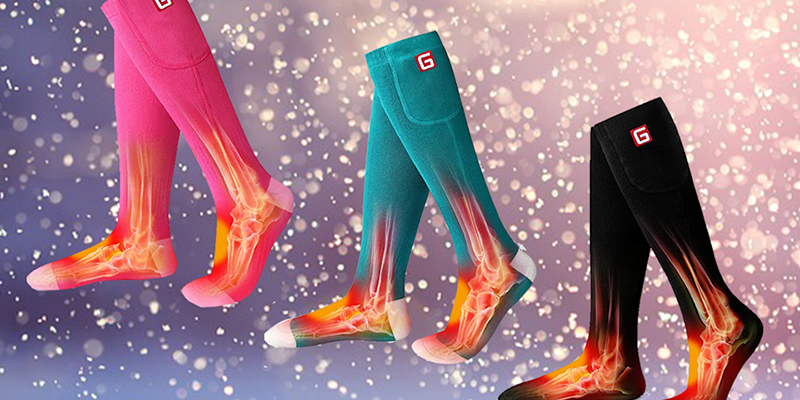
Heated Socks Worth Considering (With Real-World Notes)
Below are six heated sock options commonly discussed in winter gear reviews, hunting/camping forums, and long-term user comments.
ThermoSocks Pro — Long Outdoor Exposure
Heat settings: 3 levels
Battery life: ~3–4 hrs (high), ~8 hrs (low)
Heating zone: Toe box & forefoot elements
Materials: Performance synthetic with moisture control
Reviews:
Users report reliable warmth on ski days and standing cold (ice fishing, gear checks). The heating wires focus on toes rather than full-sole coverage, which means good toe warmth but not intense sole heat. Many carry a spare battery on full-day outings because high mode runs down quickly. Thin liners underneath can improve heat transfer without bulk.
Consider: Great for active use where constant movement isn’t guaranteed, but not the best fit if you want warmth under the entire foot.
WarmFeet Electric Socks — Daily & Versatile Wear
Heat settings: 3 levels
Battery life: ~4–6 hrs
Heating zone: Wrapped around toes and top of foot
Materials: Soft, moisture-wicking knit
Reviews:
These stand out for everyday cold weather: commuters, garage work, or layered indoors/outdoors. The fabric is softer than many performance-oriented socks, so some users mention you can feel the heating wire slightly with snug boots—not a deal-breaker, but noticeable. Good balance of comfort and warmth, and the moisture-wicking material does help reduce sweat buildup.
Consider: Best if you want a warmer “all-day” sock rather than focused high performance in extreme cold.
CozyCore Thermal Socks (Non-Electric) — Passive Warmth Option
Power: Battery-free
Material: Thick insulated knit (often wool blend)
Heating: Passive insulation
Reviews:
Not a heated tech sock, but often outperforms standard wool in casual cold walks and daily wear. Users who dislike charging or electronics prefer these. They won’t replace battery-powered heat in severe temps, but reviewers say they’re noticeably warmer than basic thick socks and keep heat longer in moderate cold.
Consider: A good fallback option if charging gear isn’t practical or you want a low-maintenance pair for errands and light hikes.
Lenz Heat Sock 5.1 — Premium Snow & Ski Choice
Heat settings: App-controlled via Bluetooth (multiple levels)
Battery life: Up to ~14 hrs on low
Heating zone: The toe area covers the top and bottom
Materials: Technical blend with merino + performance fibers
Consider:
sers appreciate the fine control via app—adjust heat without exposing skin—and the flat wiring that sits comfortably under boots.
Some mention that “they keep toes neutral rather than burning hot,” which, for long exposure,e is actually preferred as it prevents sweating. Premium pricing and app complexity are trade-offs.
Consider: If you ski or hunt long days, the comprehensive control and long runtime justify the cost.
Snow Deer Heated Socks — Best Value & Everyday Warmth
Heat settings: 3 levels
Battery: Rechargeable ~7.4V 2200mAh
Runtime: ~5–7 hrs (low)
Heating zone: Top and bottom around the toes
Materials: CoolMax blend
Consider:
Snow Deer repeatedly appears in community reviews as good performance for the price, with effective toe warmth and broad user satisfaction. Common feedback: sizing tends to run a bit snug (especially around calves), so consider sizing up, and the fabric can feel stiff compared with dressier socks. Battery life on mid-low settings is usually enough for most half-day activities without backup.
Consider: A reliable mid-range pick if you want warmth, decent battery life, and lots of real-world buy-in without premium cost.
ActionHeat Heated Socks — All-Day Comfort with Strong Heat Output
Heat settings: 3 levels
Battery life: ~2.5–5 hrs, depending on heat level
Heating zone: Sole and toe area
Materials: Cotton/polyester/nylon blend, some wool variants
Consider:
Often mentioned as one of the more comfortable and breathable heated sock options, especially the 5V rechargeable versions. They heat quickly and can reach higher top temps compared with many competitors, which helps in really cold conditions. The main trade-off is battery life: on high,h it drops faster, so many users keep it at medium and stretch the runtime longer. Wool versions improve heat retention but may feel thicker in tight boots.
Consider: Good choice when comfort and breathability matter; just plan battery usage if you’ll be out all day.
Additional Picks Worth a Look
If you want even broader options, testing sites also highlight:
Gerbing 7V Heated Wool Socks: premium warmth with wool + heating across the sole — excellent for prolonged cold hunts or skiing.
Savior Heat Heated Socks: Bluetooth app control + broad heating panels — interesting if tech control matters.
Venustas Heated Socks: Comfortable at mid-range prices with cushioned toes and decent warmth.
How to Choose Heated Socks That Won’t Disappoint
Think about how you’ll actually use them.
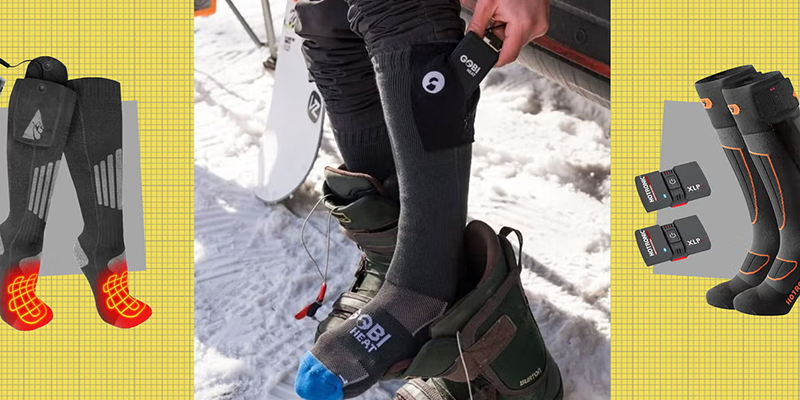
If you’re skiing or snowboarding, slim socks with toe-focused heating matter more than overall thickness—bulky socks can reduce circulation inside tight boots and make your feet colder, not warmer. For walking, commuting, or standing outdoors, slightly thicker socks with longer battery life tend to be more comfortable, especially if you’re not constantly moving to generate natural warmth.
Check battery placement carefully.
Most batteries sit near the calf, but placement and shape make a real difference. Poorly designed battery packs can press against ski boots or tall winter boots, causing pressure points after an hour or two. Many experienced users prefer slimmer, flatter battery designs even if they sacrifice a bit of capacity—comfort matters more than raw battery size.
Don’t chase maximum heat.
High settings sound appealing, but in real use, most people rely on low or medium heat. High mode is best for short bursts when your feet are already cold. Constant high heat drains batteries quickly and often leads to sweating, which makes your feet colder once the heat drops. Steady warmth beats intense heat every time.
Fit matters more than the heating tech.
Socks that are too tight restrict blood flow, which cancels out the benefit of heating. Too loose, and heat doesn’t transfer properly. The best heated socks feel snug, not compressed. If a brand offers multiple sizes instead of “one-size-fits-all,” it’s usually a better sign.
Fabric and thickness still matter.
Heating wires don’t replace insulation. Socks made with thin, breathable but insulating materials (like merino blends or technical synthetics) hold warmth better and manage moisture more effectively than basic cotton blends.
Extra Ways to Keep Feet Warm (Even With Heated Socks)
Start with completely dry feet — moisture is the fastest way to lose heat. Even the best heated socks struggle if your feet are damp before you put them on.
Use insulated, waterproof footwear, not just thick socks. Heat escapes quickly through thin soles and poorly insulated boots.
Avoid stacking too many layers of socks. Compression reduces circulation and traps moisture, which makes the cold worse, not better.
For long outdoor days, carry spare batteries or a power bank. Many users plan battery swaps the same way they plan phone charging.
Most long-term users agree on one thing: heated socks work best as part of a system—good socks, good boots, dry feet, and realistic heat settings—not as a single “magic fix.”
Most people don’t buy heated socks because they love gadgets. They buy them after one too many days cut short by numb toes.
If that sounds familiar, heated socks make sense—especially for activities where your feet stay still or get damp. They’re not all equal, and they’re not perfect, but a good pair can quietly change how long you stay comfortable outside.
That’s usually all people are looking for.
You May Like

Fashion Trends
Obsessed With Pink? These Barbie-Inspired Outfits Are Everything

Design
Quiet Luxury Bags: The New Way To Wear Elegance Without Logos

Outfit Ideas
Business Casual Looks For Women: Outfit Ideas For Work And Meetings

Fashion Trends
Street Style Evolution: Fashion Trends Inspired By Urban Culture

Apparel & Shoes
Louis Vuitton Bag Portfolios For High-Net-Worth Strategies